 nomizo
small brain-challenge games, built with Godot.
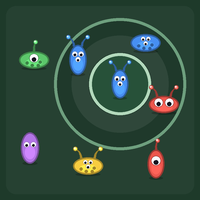
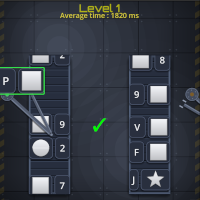
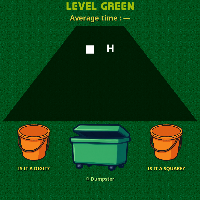
This is a collection of personal game experiments built around memory, attention, speed, planning, recognition, and reflexes.
The games are based mostly on intuition and curiosity, not on clinical research or proven cognitive-training claims. The goal is to create small games that are fun, slightly uncomfortable, and mentally active in different ways.
The games fall into several loose categories:
-
Brain twistersGames that force quick, confusing decisions and break comfortable habits.
-
Attention and speedGames that require reacting while splitting attention.
-
Memory and speedGames that combine short-term memory with fast decisions.
-
PlanningGames that require planning and solving under time pressure.
-
ReflexesGames focused on fast and accurate responses.
-
RecognitionGames about recognizing faces, pictures and the shapes hidden in a pattern.
-
Memory and navigationGames that challenge short-term-memory while moving through mazes or paths.


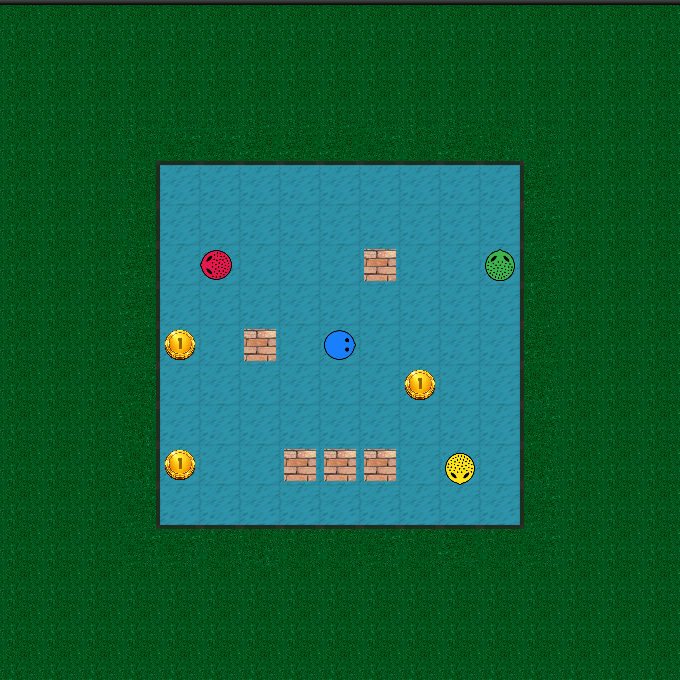

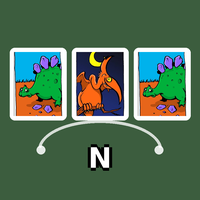
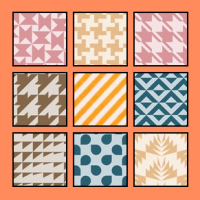
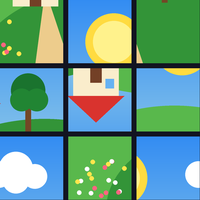

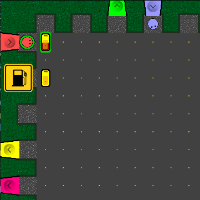
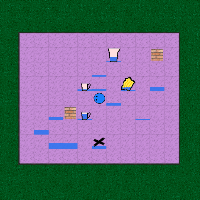
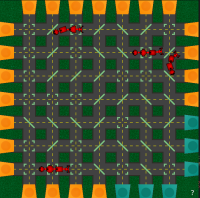
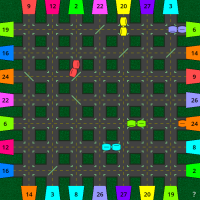
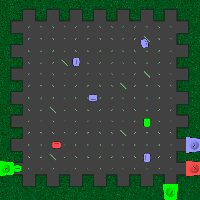
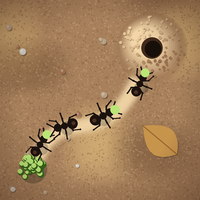
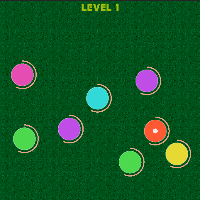
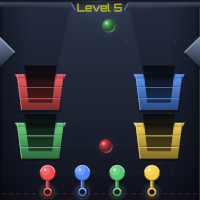
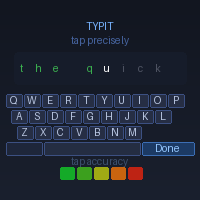
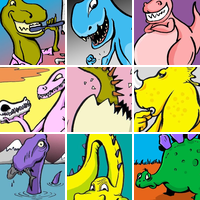
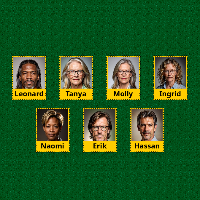
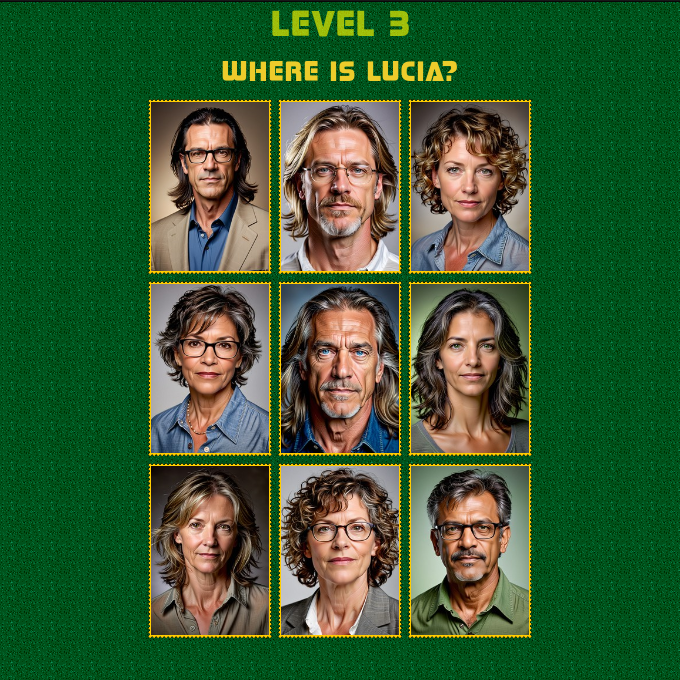
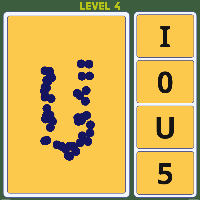
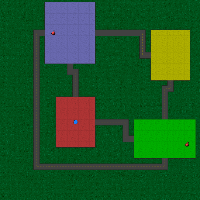
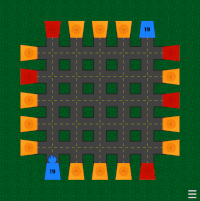
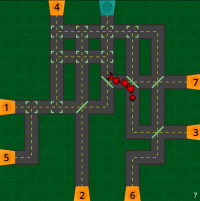
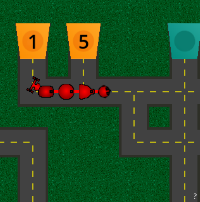
The games also became an experiment in AI-assisted development, but in a different way from Katalaveno. Asking AI to create complete games from scratch did not work very well, even when it was given existing code to build on.
What worked better was treating the AI more like a low-level programming assistant: giving it small, precise tasks, giving it skeletons, asking for isolated features, layout help, or connections to external libraries.
Sometimes it produced surprisingly fast and useful solutions. Much more often, it needed bite-sized instructions and careful checking. For Godot and GDScript especially, user interaction, swipes, input handling, and game feel often still required direct human attention.
The artistic side is simple, partly by design and partly because my artistic abilities are limited (even the game names).